ChatGPT training for organizations

Hands-on ChatGPT workshops for teams

Most teams use ChatGPT like a search engine. Caravan teaches them to hand it whole projects, turn recurring work into skills, and check what it produces before using it.

Onsite or live virtualBeginner through advancedDesigned around your ChatGPT workspace and policies
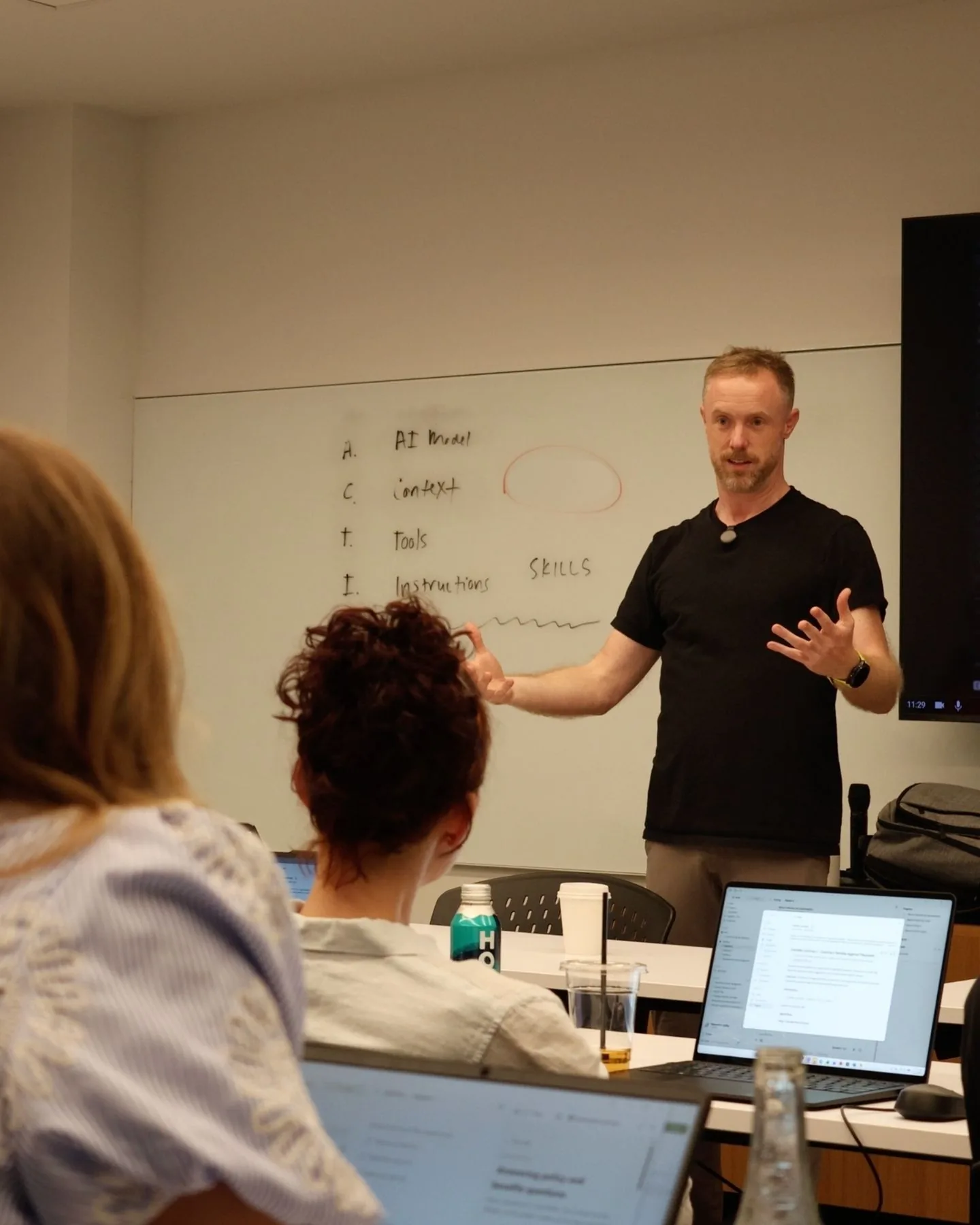
A Caravan instructor explaining a concept to participants at their laptops
What employees learn

What will our team learn to do with ChatGPT?

Move past the chat phase and learn to delegate work. These are the six things people ask us for most before a workshop, and each one is part of the day.

Automate repetitive work

Build agents and scheduled automations in ChatGPT for the tasks you repeat every week, so they run without anyone starting them.

Know what AI can do for your job

See which parts of your own work ChatGPT can take on, and which parts should stay with you.

Get it right the first time

Give ChatGPT complete assignments so you stop going back and forth and re-explaining.

Connect AI to your tools and data

Work from your email, files, spreadsheets, and systems instead of copying and pasting into a chat.

Verify the AI’s work

Check accuracy before anyone relies on the result, and build checks that catch mistakes automatically.

Reduce AI slop

Teach ChatGPT your standards, voice, and examples so the work sounds like your company.

Workshops & Training

Our ChatGPT workshops

Up to 20 per hands-on sessionNew and daily users in the same roomOwn laptops, own work

ChatGPT for Employees 101

For teams still using ChatGPT like a search engine. Participants learn to give ChatGPT complete assignments, save the instructions that work, and hand off a recurring job from their own work.

Ask about this workshop →

Workshops for Leaders and Managers

Get tribal knowledge into ChatGPT. Leaders write down how the organization’s important work gets done, so ChatGPT and the people they manage can follow it. They also decide which teams train next and what the rules should be.

Ask about a leadership workshop →

Role-Specific Workshops

Tailored to your department and industry. One team, one kind of work. The examples and exercises come from that department’s own recurring tasks and the language of its industry.

Ask about a role-specific workshop →

Company-Wide Workshops

One big session or several smaller ones. Most large companies choose a series of smaller hands-on groups, so teams like customer service and logistics stay staffed while their people train. For a conference or retreat, one larger session gets everyone started at once.

Ask about a company-wide workshop →
1 of 4
Workshop formats

Most Requested Workshop Formats

How will your team attend?

Half day

Good for beginner sessions. A focused half day at your office for people getting started.

  • Hands-on, on each person’s own work
  • Up to 20 people

Good for beginner sessions. A focused half day on video for people getting started.

  • Hands-on, on each person’s own work
  • Larger groups than in person
Ask about this format
Most popular

Full day

Great for building agents and building and sharing automations. Everyone builds at their own laptop with instructors in the room.

  • Hands-on, on each person’s own work
  • Up to 20 people
  • Each person builds and shares an automation

Great for building agents and building and sharing automations. The full workshop on video, for teams that want to finish in one day.

  • Hands-on, on each person’s own work
  • Larger groups than in person
  • Each person builds and shares an automation
Ask about this format
Most popular

Two half-days

Same as the full day, with time between sessions to try things at work.

  • Hands-on, on each person’s own work
  • Up to 20 people
  • Time between sessions to try it at work

Same as the full day, split across two days on video. Shorter sessions keep people fresh, with time between to try things.

  • Hands-on, on each person’s own work
  • Larger groups than in person
  • Time between sessions to try it at work
Ask about this format

90–120 minutes

Good for one or two concepts. For a conference, retreat, or team meeting.

  • One or two concepts, shown live
  • An exercise everyone can follow

Good for one or two concepts. For an all-hands or large group on video.

  • One or two concepts, shown live
  • An exercise everyone can follow
Ask about this format
Workshop logistics

What do we need to have ready before the workshop?

Before the workshop0 of 4 done

Confirm each participant’s ChatGPT plan and install the desktop app

Each participant should sign in to the ChatGPT Business or Enterprise workspace the organization wants that person to use. Caravan confirms which features your plan includes during preparation.

Ask your workspace administrator which apps are connected

Connections to email, calendars, and shared files such as Outlook and SharePoint are turned on by the workspace administrator. Caravan sends a short checklist so those decisions are made before training day.

Decide which information participants may use

A finished AI policy is not required before the first conversation, but participants need clear written instructions before the workshop. If sensitive or live data is not appropriate, participants can work with non-sensitive, redacted, or representative material.

Name one coordinator and tell Caravan what employees need to accomplish

One person coordinates participants, scheduling, and technical questions. Caravan may send a short questionnaire about each person’s role, experience, and goals.

Caravan handles the rest.
Introducing ChatGPT

How should we roll out ChatGPT?

1

Decide which ChatGPT features and information the first group may use

Work with your workspace administrator to decide which apps ChatGPT may connect to, whether agents and scheduled tasks are available, and what information participants may provide.

2

Train the leaders and employees most likely to use ChatGPT

Start with people who know how the organization operates and who will use ChatGPT often. During training, note which tasks help, which features people request, and where they struggle.

3

Review the Projects and skills people built, and decide which to share

Some Projects and skills built in training will be useful to a whole team. Decide who reviews them, where shared versions live, and which groups should train next.

4

Train additional employees in groups that do similar work

Expand training by role, department, or type of work rather than giving every employee the same program. Finance, sales, operations, and other groups need different examples and different connected apps.

5

Support completed projects and update the rules as ChatGPT changes

OpenAI adds and changes ChatGPT features often. Follow-up training and regular reviews help the organization use new features and keep its rules current.

Consulting services

What consulting does Caravan offer beyond training?

Before you roll out

AI Readiness Assessment

Caravan interviews your people, reviews how work gets done, and recommends where ChatGPT fits, which tools and settings to approve, what the rules should be, and who to train first.

Ask about an assessment →
After the workshop

AI Automation & Agent Builds

Caravan builds skills, agents, and automations alongside the employees who will own them. ChatGPT is set up with your industry’s context and how your company does the work, and your team learns how to run and change what was built.

Ask about a build →
Every month

Managed AI Configuration

Caravan works alongside your team each month to keep ChatGPT set up as your people, work, and tools change: the industry context it knows, the skills it runs, and the systems it connects to. Your team stays able to run it.

Ask about managed configuration →
Comparison

Why do organizations choose live ChatGPT training?

Question Self-teaching or internal training Self-paced or recorded content Live training with Caravan
What is each approach best suited for? Early exploration, employees who already use ChatGPT often, and coworkers learning from one another. Teaching basic features, providing reference material, and allowing people to learn on different schedules. Helping a group move past asking questions and hand ChatGPT recurring work with instructions coworkers can follow.
How relevant is it to each person’s job? Can relate directly to an employee’s job when that person has enough time and judgment to adapt what they find. Results often vary. Usually follows one broad curriculum and examples chosen in advance. Prepared around the people attending, their recurring work, and the ChatGPT features your workspace includes.
What happens when someone is stuck? The person keeps searching, experimenting, or asks an available coworker. The participant can replay the material, but the course cannot diagnose that person’s problem. Instructors are present while people work and can address confusion and weak results.
What work falls on the people leading adoption? Someone must learn, design, teach, coordinate approvals, answer questions, and keep material current. The organization still encourages completion, answers company-specific questions, and shows employees how the material applies to their work. Leaders provide goals and information rules; Caravan prepares and teaches the workshop.
What is the principal limitation? Progress can be slow, uneven, and dependent on a few employees with limited time. People may finish the content without gaining confidence or changing their work. Requires scheduling, preparation, and a larger investment than independent or recorded learning.
Why Caravan

Why use Caravan instead of learning ChatGPT alone?

Participants learn from practitioners who can teach

Caravan’s research team tests new AI tools and practices. Instructors must also explain unfamiliar ideas clearly, teach people with different levels of experience, and help participants when a result is not good enough.

Caravan is not paid to recommend one AI platform

Caravan does not receive incentives for recommending one AI platform over another. If your organization has standardized on ChatGPT, the training teaches your employees to use ChatGPT well.

Caravan has taught people across many kinds of work

Caravan has trained more than 1,000 people across dozens of industries, including legal, healthcare, manufacturing, financial services, accounting, marketing, and nonprofit organizations.

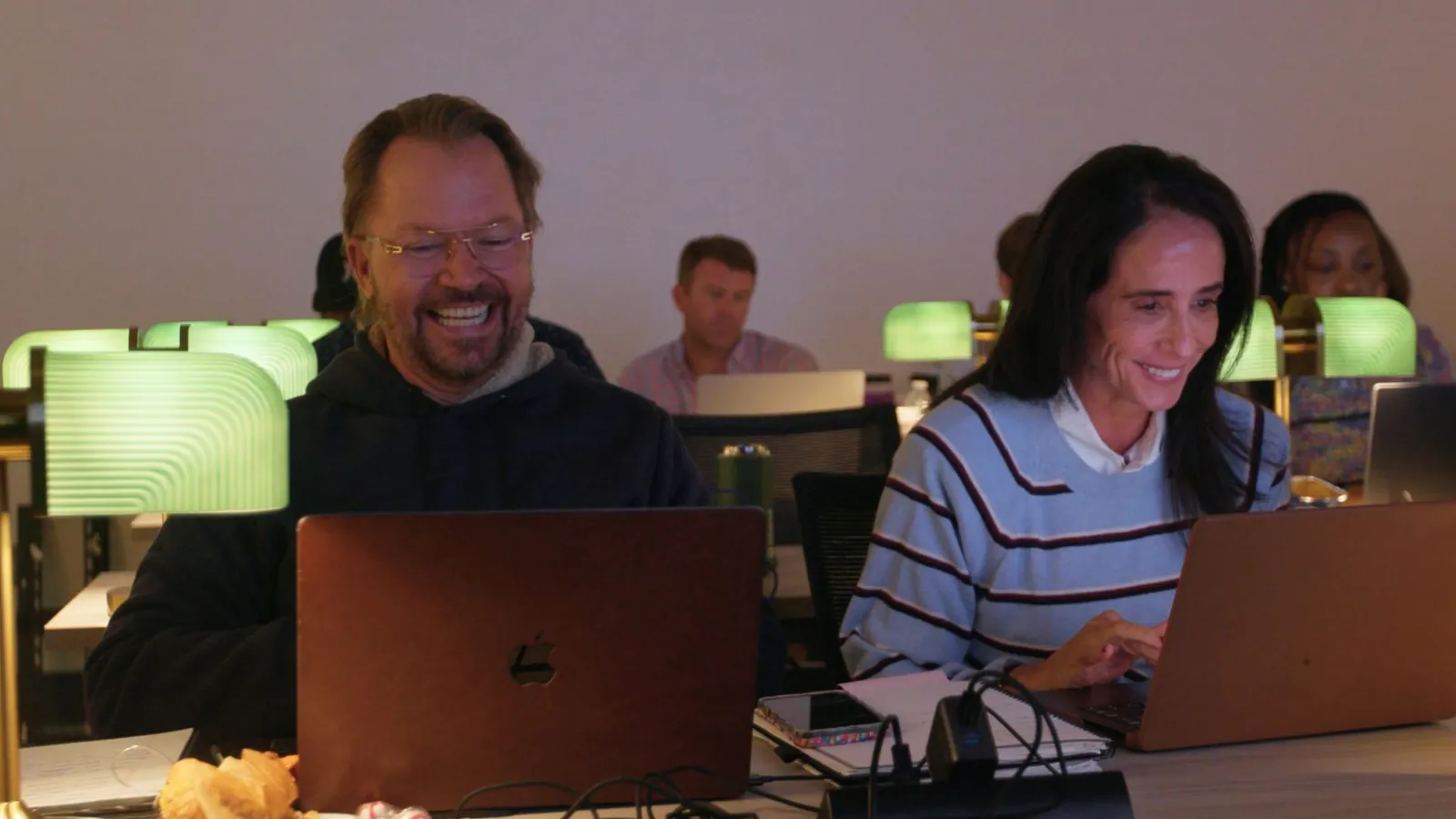
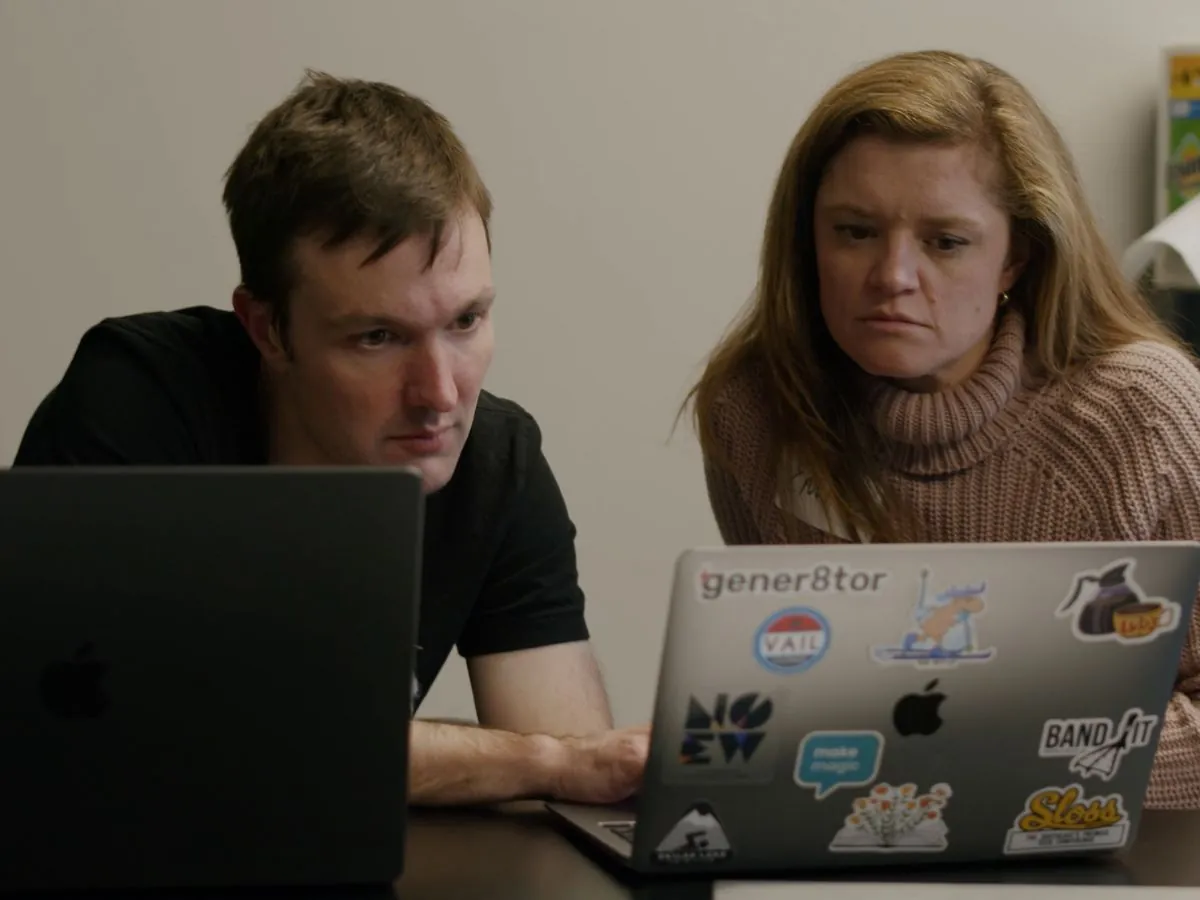
A Caravan instructor working with a participant
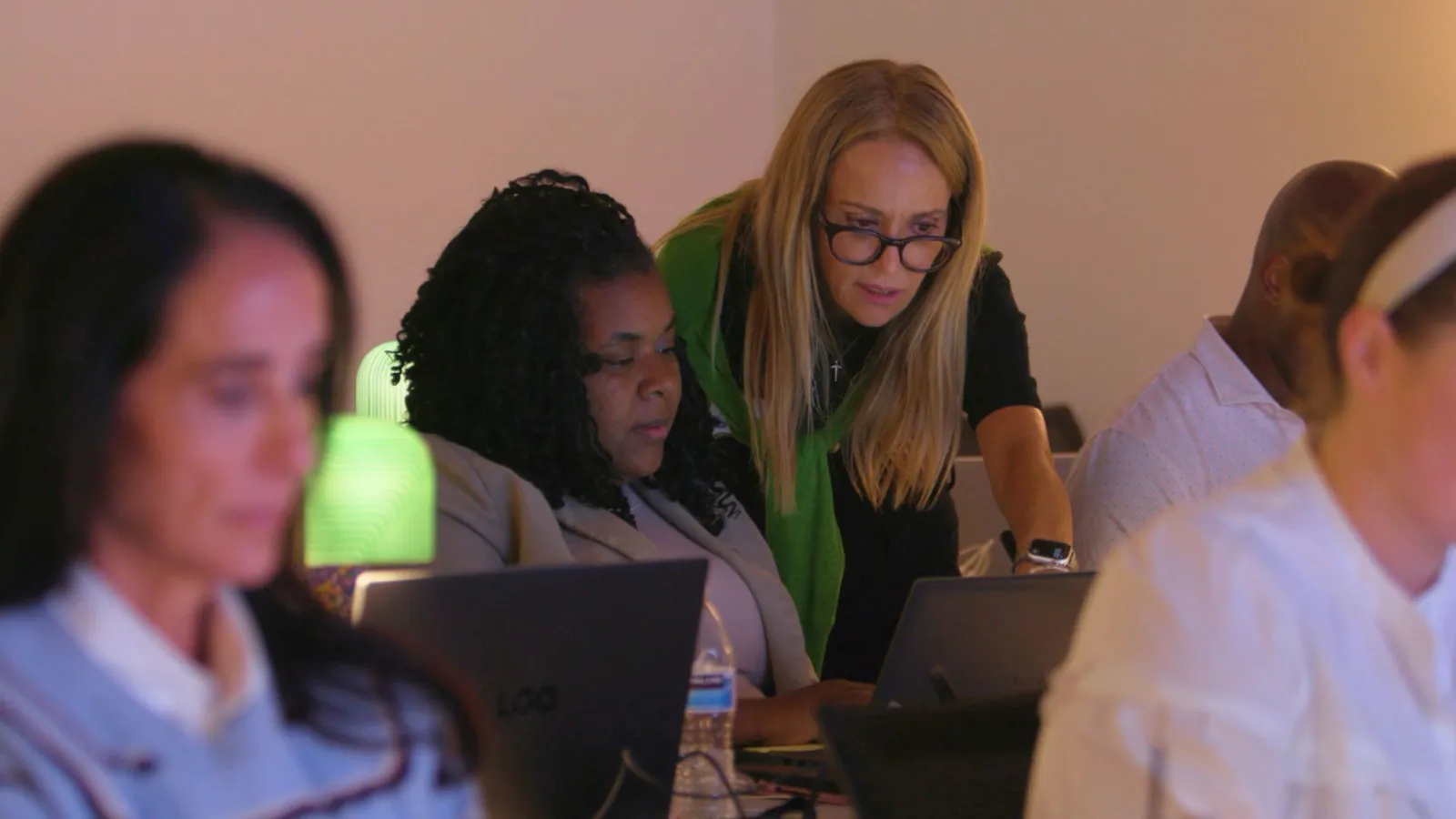
A Caravan instructor helping participants at their laptops
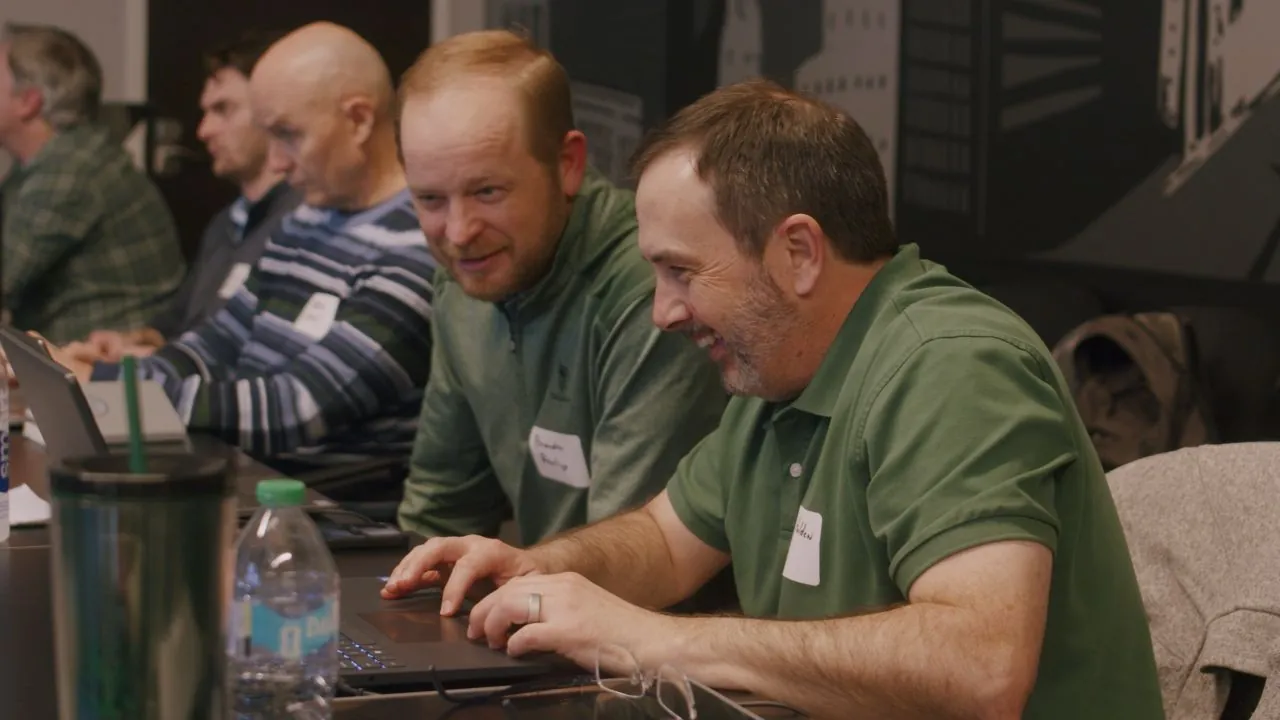
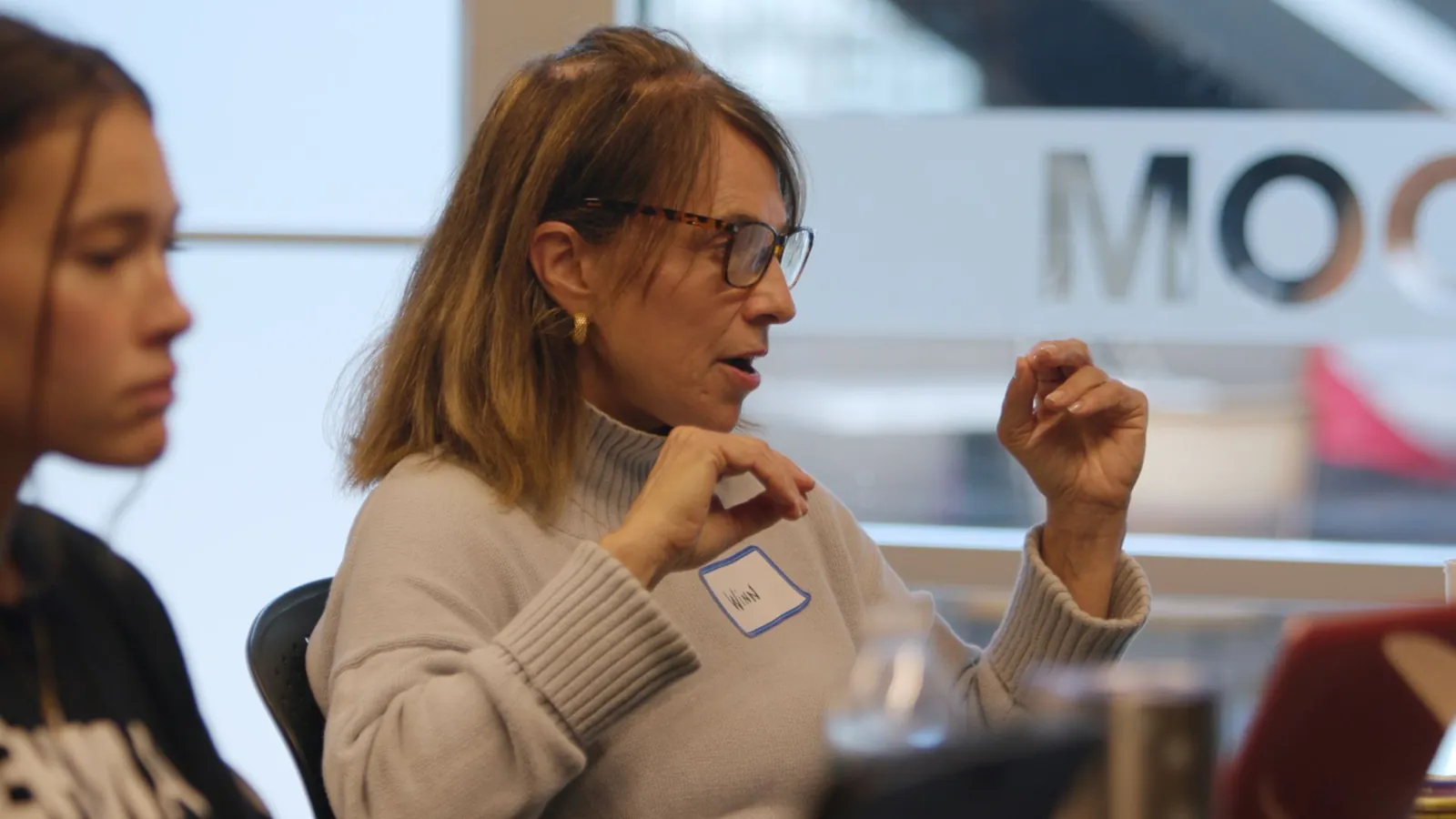
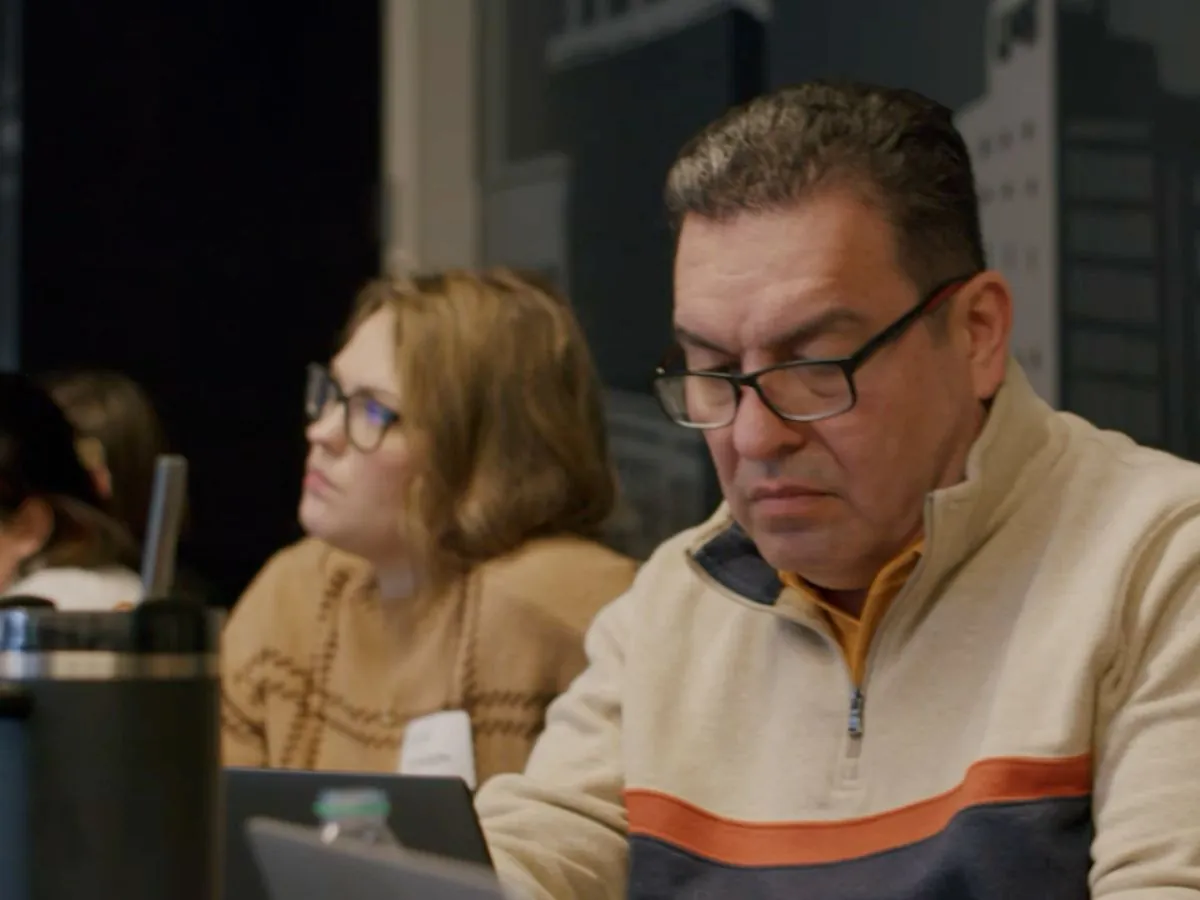
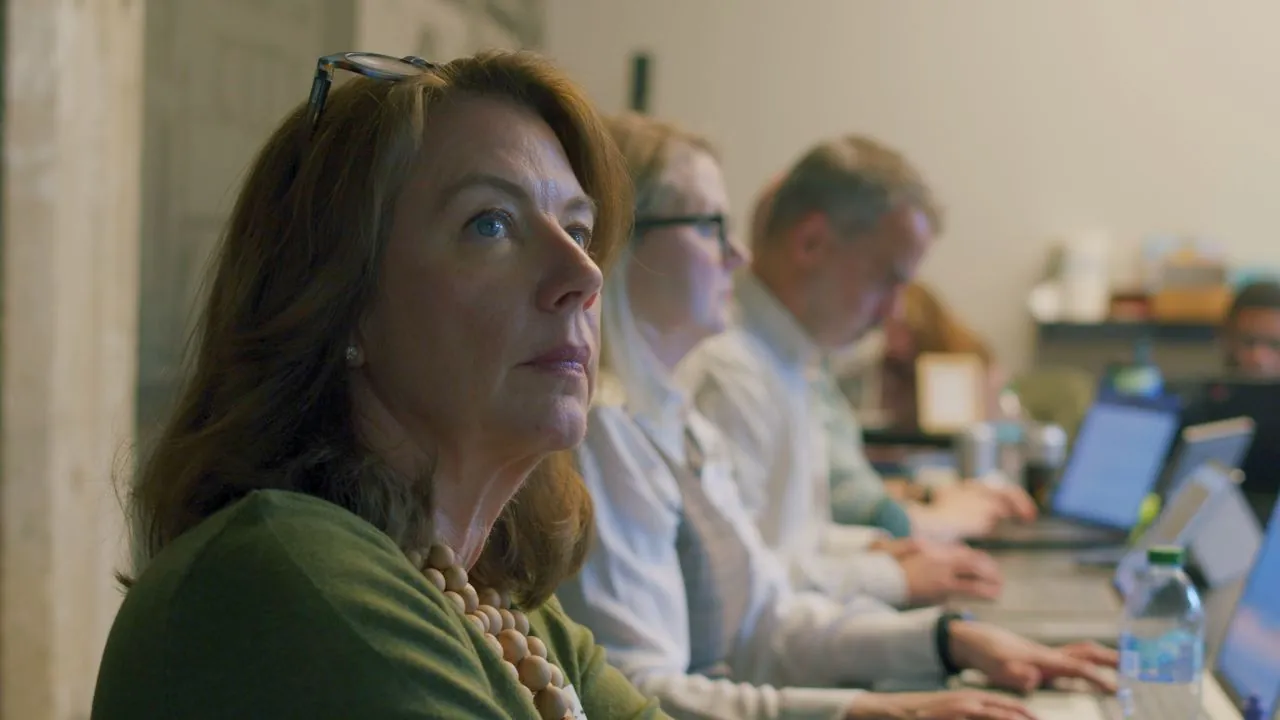
A participant listening during a Caravan workshop
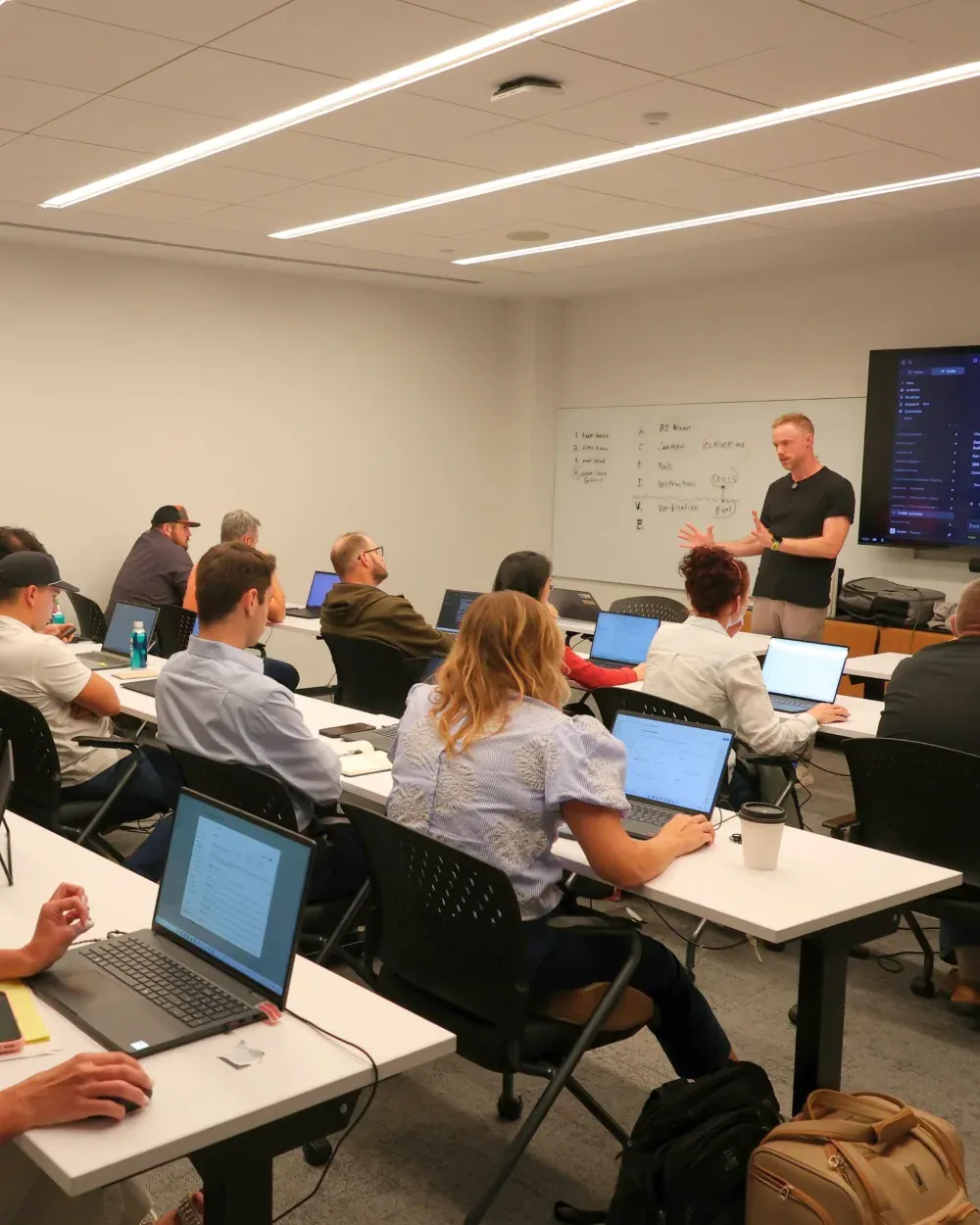
Caravan instructors teaching.
Caravan case studies

What has happened after teams trained with Caravan?

Case study

OHD

Industrial safety manufacturer

“The Caravan team understood our business needs, tailored the training to our audience…”

Hunter Strickler, Chief Operating Officer, OHD
Read the OHD case study →
Case study

Culton Companies

Custom fabrication

“Working with Caravan… changed what’s possible for a company our size.”

Robert Donovan, President, Culton Companies
Read the Culton Companies case study →
Testimonials

What participants say

“Taking the Caravan AI training this month has very rapidly escalated my competence and confidence with AI tools.”
Jake WaitzmanParticipant
“It was an 8-hour class, but to be honest, it felt like it flew by in about fifteen minutes.”
Lee HandleyParticipant
“Took the training. Blew my mind. I had no idea how far things had progressed…”
Morgan ColeParticipant
FAQs

Questions we hear before booking

Participants should use the workspace the organization wants them to use, usually ChatGPT Business or Enterprise. The plans differ in administration, data controls, and some features. Caravan confirms what your plan includes before the workshop and plans around it.

No. Most rooms include people who mostly use ChatGPT like a search engine and people who use it every day. New users get more instruction on the basics, and experienced users work on more complex assignments in the same workshop.

An agent is ChatGPT working through a multi-step job on its own: it plans the steps, uses the apps and files you have connected, and returns finished work such as a document or spreadsheet. Participants practice asking it to show its plan and wait for approval before it acts.

ChatGPT can connect to common workplace apps, such as Outlook and SharePoint, when your workspace administrator turns them on. Caravan plans the workshop around the apps your organization has approved.

Yes, for technical teams. Codex can be a separate block within the workshop or its own session. Most business teams do not need it to get value from ChatGPT.

That depends on your ChatGPT plan, workspace settings, and data policy. Caravan and the client agree on the rules before training. When live sensitive data is not appropriate, participants can use non-sensitive, redacted, or representative material.

In person, hands-on sessions are normally limited to 20 participants so instructors can provide individual help. Live virtual sessions can take larger groups. Larger audiences can be divided across several sessions, and Caravan may add instructors where appropriate.

Pricing depends on whether training is onsite or virtual, how long it lasts, how much preparation and travel are required, how many sessions are needed, and whether the organization wants continued support. Caravan provides a written proposal after learning what the organization needs.

The first conversation determines who needs training, whether the required accounts and settings are ready, and which format would work. If training is not the right next step, Caravan should say so before either side invests in a larger process.

Request more information

Tell us about your team and how you’re using ChatGPT. We reply within one business day.

A participant listening during a Caravan workshop